

Sourcing Quality Gelatin for Soft Gel Production
Sourcing Quality Gelatin for Soft Gel Production
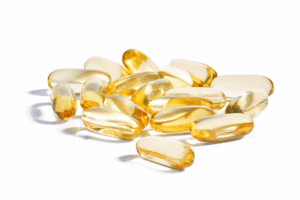
When it comes to manufacturing high-quality soft gel capsules, sourcing the best gelatin is imperative. Gelatin, a key ingredient in soft gel production, plays a significant role in the capsule’s integrity, shelf life, and ability to deliver active ingredients effectively. Here’s what you need to know about selecting the best gelatin for soft gel production.
1. Types of Gelatins for Soft Gels
Soft gel capsules are primarily made from gelatin, but there are different types, each with distinct characteristics that suit various applications. The most common types used in soft gel production include:
- Bovine Gelatin: This gelatin (sourced from cows) is the most common type often used in pharmaceutical and nutraceutical products due to its strong, durable consistency.
- Porcine Gelatin: This gelatin (sourced from pigs) is known for its excellent gelling properties and smooth texture.
- Fish Gelatin: An alternative for businesses catering to specific dietary needs, such as Halal or Kosher markets. It offers a lighter, more flexible alternative.
- Vegetarian Gelatin: Made from plant-based sources like pectin, tapioca or carrageenan, (veggie-based) gelatin is ideal for vegan or vegetarian markets.
2. Types of Gelatin
Gelatin can be classified based on the manufacturing process:
- Acid Process (Type A): This process involves soaking raw materials in dilute acid, followed by extraction at a low pH. It is commonly used in biomedical applications, such as tissue engineering and 3D bioprinting.
- Alkaline Process (Type B): Uses successive lime solution treatments to break down collagen derived from bones or hides. Type B gelatin is known for producing stronger gels with less leakage.
Typical Gelatin Specification for Soft Gels:
- Type A and B: Medium Bloom gelatins.
- Characteristics: Varies in gel strength, viscosity, pH, and microbial counts.
Comparison Chart: Type A vs. Type B Gelatin
| Property | Type A | Type B |
|---|---|---|
| Raw Material | Derived primarily from pig skin | Mainly from bovine hides or bones |
| Extraction Method | Mild acid pre-treatment | Alkaline (lime) pre-treatment |
| pH | Low pH (acidic) | High pH (alkaline) |
| Viscosity | Lower | Higher |
| Clarity | High clarity (clear appearance) | Slightly less clear |
| Processing Time | Shorter (a few days to a week) | Longer (up to several weeks) |
Figure 1: Distinguishing Type A and Type B Gelatin (n.d.).
3. Key Considerations When Sourcing Pharmaceutical-Grade Gelatin
To ensure the success of your soft gel manufacturing, it is essential to consider the following factors when sourcing gelatin:
- Grades: For pharmaceutical and nutraceutical applications, gelatin grades are categorized by their source (Type A or B), Bloom strength (200–250) for hard capsules and (150–200) for soft capsules), and viscosity, with specific grades like DRG gelatin designed for rapid dissolution.
Here’s a more detailed breakdown:
- Purity and Quality: Gelatin must be of high purity to ensure consistency in soft gel performance. Low-quality gelatin can lead to capsule breakage, leakage, or inconsistent dissolution. Look for suppliers that meet your country’s regulatory compliance standards, provide gelatin with well-documented quality control systems, and ensure traceability of raw materials through to the final product. Ensure certifications are available that meet purity standards in heavy metals and other relevant quality parameters.
- Gelatin Bloom Strength: Bloom strength measures the firmness of the gelatin. It is essential to choose gelatin with the appropriate bloom strength for the desired texture and durability of the soft gel. Soft gels with a higher bloom strength tend to be firmer, while lower bloom strengths are used for more flexible capsules.
- Solubility: Gelatin should dissolve efficiently in the end user’s stomach to ensure optimal absorption of the active ingredients. Ensure the gelatin sourced meets the required standards for solubility based on your product’s specifications.
- Transparency and Clarity: High-quality gelatin should have excellent transparency to enhance the visual appeal of soft gel capsules, which is especially important for products in the nutraceutical market where aesthetics play a role in consumer choice.
However, some soft gels, like astaxanthin, contain sensitive ingredients that can degrade if exposed to light; therefore, they may require opaque or dark-coloured capsule shells to help protect the integrity of their active ingredients.
Understanding the key factors in sourcing gelatin will help create a competitive advantage in delivering premium products to consumers.
When sourcing gelatin for soft gel production, consider the following:
- Partner with Reputable Suppliers: Look for suppliers with a positive track record in the industry. Ensure they follow stringent quality control processes and provide full traceability of the gelatin, from sourcing to delivery.
- Certification Requirements: Ensure that your supplier meets your specific market requirements and standards, whether Halal, Kosher, or organic certifications. Also look for internationally recognized standards like ISO, FDA, and cGMP certifications.
- Bulk Sourcing: Soft gel production typically requires large quantities of gelatin. Establish long-term relationships with suppliers who can consistently and on time meet high-volume demands.
- Review Samples and Specifications: Before finalizing any deal, request samples and review the technical specifications (e.g. bloom strength, viscosity, solubility) to confirm they meet your soft gel production needs.
5. Environmental and Ethical Considerations
The demand for plant-based and sustainable gelatin alternatives is growing, particularly as more consumers demand cruelty-free products. Various businesses are catering to market trends by sourcing vegetarian or fish gelatin, which offers ethical benefits. That’s why selecting the right gelatin from a trusted supplier for soft gel production is essential to ensure product quality, efficacy, and customer satisfaction. Understanding the key factors in sourcing gelatin will help create a competitive advantage in delivering premium products to consumers.
Therefore, it is imperative to choose the right gelatin supplier for soft gels to ensure product quality, and regulatory compliance. A reputable supplier ensures traceable and reliable sources of raw materials, adherence to international standards, while offering ethical and sustainable sourcing options that can help meet market demands. Partner with a trusted supplier of gelatin to deliver high-quality, compliant soft gels in a thriving competitive market.
References
- Koon, R. (2022, September 24). Soft gels are a Shell Game. https://www.supplysidesj.com/specialty-nutrients/softgels-are-a-shell-game
- PharmaExcipients. (n.d.). Gelatin Shell Material